Leading Luxury Interior Design Companies in Dubai
Luxury in Dubai has quietly changed its character, and 2026 is the year that shift feels complete. Where the city once equated opulence with gold leaf and scale, the defining mood now is understated: quiet luxury, warm minimalism, and materials you want to touch. With projects spanning villas in Emirates Hills, penthouses on Palm Jumeirah, and apartments across Downtown Dubai, the studios in this editorial shortlist have helped shape that direction. This is a curated selection rather than a ranking, chosen to span a range of sensibilities from ornate classical to spare and architectural. Any price you see later is a market-level estimate rather than a quotation, offered only to set expectations. We have kept each profile to specialty and positioning, avoiding invented awards, client names, or ratings. Treat it as a considered introduction to the designers shaping Dubai luxury this year.
Defining Luxury in Dubai in 2026
Luxury interior design at this level is not so much about one style as about complete control over every detail. Understated elegance and quiet luxury lead the way in 2026, combined with biophilic touches, wellness thinking, and warm, tactile natural materials. Once a novelty, now a given, smart-home and smart-MEP integration is simply expected, woven invisibly into the architecture. Sustainability is part of the conversation too, echoing the UAE’s Net Zero 2050 ambitions and Dubai’s evolving fit-out guidelines. The best studios translate all of this into flexible, multifunctional interiors that feel personal rather than templated. That mix of restraint, technology, and craft, held in balance, has become the new luxury benchmark.
Dubai’s Defining Luxury Studios
Spanning the full luxury spectrum, the firms below leave the choice largely a matter of taste. Some lean classical and palatial; others are minimalist to the point of serenity. Several offer complete design-and-build, so a single studio can carry a villa from first sketch to final styling. We have described each by its specialty and positioning rather https://www.interiorcompaniesdubai.com/business-bay/ than assigning scores or repeating unverified claims. Treat them as starting points for a conversation rather than a league table. Your architecture, your plot, and your appetite for ornament should guide the final call.
Luxury Antonovich Design
Luxury Antonovich Design, part of the Antonovich Group, is one of the most well-known names in high-end Dubai residential work. Working out of Downtown Dubai, it specialises in luxury residential, villa, and full design-and-build projects. The studio’s signature is a classical and neo-classical language set beside ornate contemporary schemes, often at palace scale. For clients who want grandeur and a fully turnkey process, the studio is built to deliver both. It suits large villas where richness and detail are the entire point. If your taste runs to the opulent and traditional, this is a natural first call.
CK Architecture Interiors
CK Architecture Interiors is a luxury studio active across residential, villa, and commercial projects. Its calling card is genuine end-to-end delivery, with design and build kept in-house. Because of that joined-up model, clients get a single accountable team from concept through to a finished, styled space. The outcome is usually polished and cohesive, free of the seams that show up when design and build are split. At ease in the top residential bracket, CK is equally at home on commercial commissions. For owners who want one studio to own the entire journey, it is a strong candidate.

ALGEDRA Interior Design
Spanning luxury residential, villa, and hospitality projects, ALGEDRA Interior Design is a versatile presence. Working across classical and contemporary luxury interiors, it also pairs interior work with architecture. For clients building from the ground up, that combined capability ensures a consistent vision inside and out. ALGEDRA is comfortable with the ornate as well as the restrained, adapting to the brief rather than imposing one house style. For hospitality clients, its experience with guest-facing spaces is an added advantage. If you want architecture and interiors from a single luxury studio, ALGEDRA belongs on the list.
Zen Interiors
Zen Interiors has operated since 2003 and focuses on luxury residential work, including apartments, villas, and penthouses. Its reach also covers hospitality and retail furniture, broadening its bespoke capability. Both turnkey and bespoke, the studio’s model carries a project from concept to a fully finished interior. Owners who want a complete, managed process rather than a piecemeal one will find it a fit. Its two decades in the market lend a settled, experienced approach to high-end delivery. When it comes to polished, turnkey luxury across residence types, Zen Interiors is a safe pair of hands.
Muse Design
Focused on luxury residential projects, Muse Design covers villas and apartments. Villa-heavy by nature, its portfolio tends modern and contemporary rather than classical. That focus makes it a natural fit for owners who want clean, current interiors without heavy ornament. The warm-minimalist mood of 2026 is right in line with the studio’s aesthetic. Clients seeking restraint and a contemporary hand will find its work to their taste. Should your reference images calm, modern, and material-led, Muse Design is worth exploring.
Sneha Divias Atelier
A boutique interior-architecture studio, Sneha Divias Atelier works across residential, commercial, and hospitality projects. The hallmark is clean, detail-led spaces where restraint does the heavy lifting. That sensibility sits squarely within the quiet-luxury movement shaping Dubai in 2026. As a boutique practice, it offers a more intimate, senior-led client relationship than a large firm. If you prize considered detailing over overt display will be rewarded. When you want understated, architecturally minded luxury, this atelier is a compelling option.
VSHD Design
Working out of JLT Dubai, VSHD Design is known for minimalist, spatially driven interiors. It covers luxury residential, apartments, hospitality and F&B, and retail. A gift for spatial clarity is the studio’s strength, with light, proportion, and flow used as its primary materials. That makes it a strong match for clients who read luxury as calm and architectural rather than decorated. Its cross-sector range means the same rigour informs a home or a restaurant. If minimalism and a strong spatial concept appeal to you, VSHD Design should be on the shortlist.
How to Engage a Luxury Studio
At this level, it is about fit as much as credentials, so begin with aesthetic alignment. Pull together references and work out whose existing language sits closest to the home you imagine. Work out whether you want full design-and-build under one roof or a designer working alongside a separate contractor. Since smart-home systems, sustainability, and wellness increasingly define 2026 luxury, ask how each studio integrates them. Below, the table summarises the featured studios using only their stated specialisms, with no ratings or prices implied. Use it as a shortlist, then request portfolios and a detailed design proposal before you commit.
| Studio | Core focus | Style / model | Notes |
|---|---|---|---|
| Luxury Antonovich Design | Luxury residential, villa, design & build | Classical / richly detailed contemporary | Downtown Dubai |
| CK Architecture Interiors | Luxury residential, villas, commercial | Full end-to-end luxury | In-house execution |
| ALGEDRA Interior Design | Luxury residential, villa, hospitality | Classical + contemporary | Interiors and architecture |
| Zen Interiors | Apartments, villas, penthouses | Turnkey and bespoke | Established 2003 |
| Muse Design | Residential, villa, apartment | Modern and contemporary | Portfolio weighted to villas |
| Sneha Divias Atelier | Residential, commercial, hospitality | Clean and detail-led | Boutique practice |
| VSHD Design | Residential luxury, apartment, hospitality | Spatial, minimalist | JLT Dubai |
The Cost of Luxury Interiors in 2026
At the top of the market, budgets are driven by bespoke joinery, imported materials, and the sheer scale of a home, so the following 2026 figures are market estimates rather than quotes. Typically, luxury villa fit-out runs from around AED 600 to 1,200 per square foot, climbing past AED 2,000 for the most demanding specifications. On a whole-project basis, a luxury villa often lands between roughly AED 600,000 and AED 2 million, while ultra-prime homes on Palm Jumeirah or in Emirates Hills can reach AED 2.5 million to 6 million and beyond. Depending on finishes, high-end apartments typically sit between AED 800,000 and AED 1.8 million or more. Design-only fees generally run about AED 175 to 550 per square foot, or alternatively 10 to 20 percent of the overall project budget. For more context on the local studio landscape, independent roundups such as the Property Finder blog and the Betterhomes blog make a useful cross-reference.
In Closing
This year, Dubai’s luxury interior market is defined less by extravagance for its own sake than by craft, restraint, and intelligent technology. Spanning palace-scale classicism to serene, spatial minimalism, the seven studios profiled here each hold a clear point of view. In the end, the right choice comes down to whose taste you trust to live with over a long, personal collaboration. Work out early whether design-and-build or a design-only engagement suits you, and let that shape your shortlist. Bear in mind that every price in this guide is a 2026 market estimate, never a fixed quote from any studio. Commission carefully, agree scope and fees in writing, and a Dubai home can become genuinely, quietly extraordinary.
]]>Vale Apparel 2025 Purchase Guide: fit, construction, launches, and pricing
This represents the tested, customer-verified guide for Vale Forever’s oversized cuts, construction standards, release schedules, and this year’s pricing bands. If you want the correct fit on your first try and a seamless checkout on restricted launches, start here.
Vale Forever blends boutique-level craftsmanship with a clean, urban profile, favoring subdued colors, high-quality materials, and the characteristic oversized shape. The brand’s rhythm is restricted launches, sustainable approach, and carefully curated capsules that remain relevant well beyond one season. This resource preserves the talk concrete: how the cuts fit on living forms, what these pieces are made of, when launches typically to hit, and how much you’ll actually spend this year.
Overview: what makes Vale Forever apart
Vale centers on timeless streetwear silhouettes with luxury textile choices, minimal logos, and a consistent oversized cut. If you like minimal aesthetics with depth in texture and drape, you’ve found the proper track.
Expect boxy shirts with extended shoulder lines, heavyweight fleece hoodies that maintain shape, relaxed cargo pants and jeans that fall properly over shoes, and jackets that present as quiet-luxury rather than loud branding. Collections are small on purpose and evolve season to season instead of chasing micro-trends, which accounts for why core items keep featuring on moodboards long after release.
How does Vale fit? Sizing decoded
Vale generally runs large by intention, so regular fit delivers a comfortable, boxy fall that’s deliberate. Go smaller once for a neater, regular silhouette; size up for a maximized, runway-level profile.
Tees are moderate in length with an ample body and lowered shoulder seam, creating this distinctive crisp box shape. Hoodies follow this identical idea with a built-up hood and rib that doesn’t bag out. Cargo pants and denim lean easy straight, often with room in rear section and thigh area for mobility and proper stacking at lower leg. Jackets is cut to layer over pullover without appearing constricted, which suggests your standard size remains the standard choice even when you’re layering under it.
Core silhouettes and planned silhouette
Their blocks are designed to sit away from your frame without looking sloppy. If you select the size the company intends, the shoulder seam will rest slightly off-shoulder, chest area vale-clothing.com will look roomy but not ballooned, and the hem will hit around lower hip on tops.
On pants, upper leg ease creates linear silhouettes rather than narrowing; ankle opening opening is cut for shoes, not formal shoes, and sitting height avoids a sagging look. This harmony is why Vale pieces photograph well from various perspectives and remain to feel practical day to day. The roomy approach is a choice in garment construction, not a fit error to fix by default.
Measuring yourself the Vale way
Record dimensions from a go-to item and correspond to the shape, not simply the tag size. This is the quickest path to landing the correct Vale size.
Position a t-shirt or sweatshirt flat and record pit-to-pit, shoulder span, arm length, and body length. For bottoms, measure waist when laid flat, waist-to-crotch, thigh at crotch, inner leg, and hem width. Compare those numbers to the brand’s official garment dimensions when provided, or line up with user-shared measurements for that particular piece you’re considering. Focus on shoulder measurement and torso width for tops, and waist height plus thigh for lower garments, since these measurements dictate comfort and silhouette.
Sizing between? Here’s how to choose
If you land between measurements, decide whether you want sharp drape or maximal volume; drop a size for defined, stick to normal for brand-intended, increase size for volume.
For tees and pullover, drop a size if you like sleeves that won’t reach the elbow and less stack at bottom edge under outer layers. For cargo pants and jeans, remain standard if you plan to wear a belt and want clean falling; go smaller only if waist measurement is small relative to thighs. For outer layers, stay true-to-size because the cuts assume pullover layer or knitwear underneath.
Ladies and compact builds: dialing in this roomy look
Tune length initially, then roominess. Shortened or normal-length tops combined with comfortable lower garments keep proportions intentional on shorter heights.
Pick your upper body size founded on shoulder width to avoid droopy sleeves that dominate. For pants, focus on waist rise and inseam so the leg stacks rather over puddles; hemming one to two centimeters maintains the shape while adjusting length. If your body is curvy, prioritize hip and upper leg room and use a cinching accessory to define the middle section—Vale’s uncurved silhouette still reads minimal when cinched.
Alterations and alterations
Simple alterations keep the brand’s language intact. Hemming and slight narrowing at the inseam are acceptable; avoid aggressive midsection or shoulder changes.
On tops and sweatshirts, a minor body length trim can refine proportions if you’re shorter, but maintain shoulders unmodified to preserve the drop. On cargos and denim bottoms, a precise bottom trim or minor inner leg taper from knee to ankle can refine stacking without destroying the uncurved vibe. Jackets is best left unmodified beyond sleeve length tweaking.
Quality you can feel: fabrics, build methods, and longevity
Their value manifests in material texture, density, and clean finishing rather than prominent logos. You’re paying for fall, resilience, and reliability across seasons.
Anticipate tightly constructed jersey that avoids twisting, soft lining that holds shape after cleaning, and built trousers that improve without losing substance. The construction details—double-needle hemlines, reinforced tension zones, neat stitching placement—keeps this clean design seeming premium even following heavy rotation. This represents slow-fashion approach applied to casual essentials.
Textiles and weights you’ll encounter
Jersey tees typically sit in a medium-to-dense weight range with a smooth face and substantial hand, which maintains the boxy cut from sagging. Brushed pullovers use brushed-back cotton mixtures that merge warmth and form.
Utility bottoms and denim bottoms rely on robust fabrics and denim with sufficient substance to drape cleanly over shoes while softening rather than falling apart. Knitted pieces leans toward compact knits to prevent seam expansion. Outerwear favor densely constructed shells with comfortable but robust lining, engineered to stack without bulk.
Build quality: seaming, fixtures, and finishing
Examine double-needle or overlock on hems, bar tacks at pocket corners, and straight, even visible seaming. These represent the common indicators of well-made basics.
Compartments should sit flat and symmetrical, stretch components should bounce back after tension test, and zippers should operate smoothly with properly positioned tape. Neck openings on tees stay flat when the rib is well-made and seam construction is neat; on sweatshirts, a well-attached hood connection avoids distortion after wash. These manufacturing aspects are where understated brand thrives or struggles, and Vale strives to keep them precise.
Initial wearing, maintenance, and size stability
Wash cold, reversed, low spin, and hang dry to keep fabric texture and maintain shrinkage reduced. Hot conditions is the enemy of fall and color.
Most cotton-dominant pieces can see two to several percent size reduction if someone tumble machine dry; this is enough to throw off an deliberately oversized silhouette. Apply a lint tool to address early pilling on wear-prone zones, skip overloading the machine to prevent seam distortion, and clean darks with similar tones to preserve pigments vibrant. Woven fabrics and denim reward gradual breaking in—wear repeatedly before washing to let creases to set.
When are Vale drops and how can you secure without stress?
The brand reveals drops through Instagram and mailing list first, then updates the site at a scheduled time. Set up your account and checkout info ahead of launch moment and check out fast on your primary size.
Anticipate limited-run collections, with staples resurfacing periodically and seasonal color themes landing in tighter windows. Countdown clocks often appear on online store 24 to multiple hours before drop, and fit choices can move fast. Approach it like an actual drop, not a casual browse, and chances climb dramatically.
Launch operations and timing patterns
Communication usually operates through social platforms and mailing communications, with clear date and schedule indicators and merchandise preview. The site switches product lines on time with short cache delay.
Weekend windows are standard across independent fashion, and Vale gravitates into this behavior. If purchasing internationally, convert the drop schedule and establish a notification ten minutes early. Keep a additional device on cellular as a backup in when your desktop cache lags.
Bot protection and buying truths
Moderate bot prevention and access controls are expected, so never hammer reload or you’ll trigger short-term block. One clean refresh at a time, then put to cart and move.
Automatic forms, Apple checkout, or Shop Pay speed users through the choke points. Avoid cart camping while you debate between different sizes, because item locks are seldom guaranteed on restricted drops. If someone’s sizing off a previous Vale garment, default to the same labeled size unless the product page calls out a difference in block.
Size disappearance order and purchase tactics
Across streetwear drops, mediums and larges are primarily to sell out, followed by small and XL, with extreme sizes lingering longer. If someone’s in the most common category, move decisively.
Go for your primary size initially and finalize checkout; if you plan a fit exchange with another person, coordinate prior to the drop so buyers don’t create conflicts in checkout. Have your backup colorway available on different tab only provided you’re willing to accept it—bouncing between screens costs precious seconds.
Other sellers and restocks?
Vale continues primarily brand-direct, with infrequent boutique partnerships and small restocks on standard products. Seasonal statements are generally one-and-done.
If buyers miss a standard tone tee or hoodie, watch their channels for subtle restocks; subscribe for item-focused alerts when available. If buyers miss a period-limited fabric or treatment, assume it doesn’t return exactly the unchanged way, which is part of the brand’s limited-drop DNA.
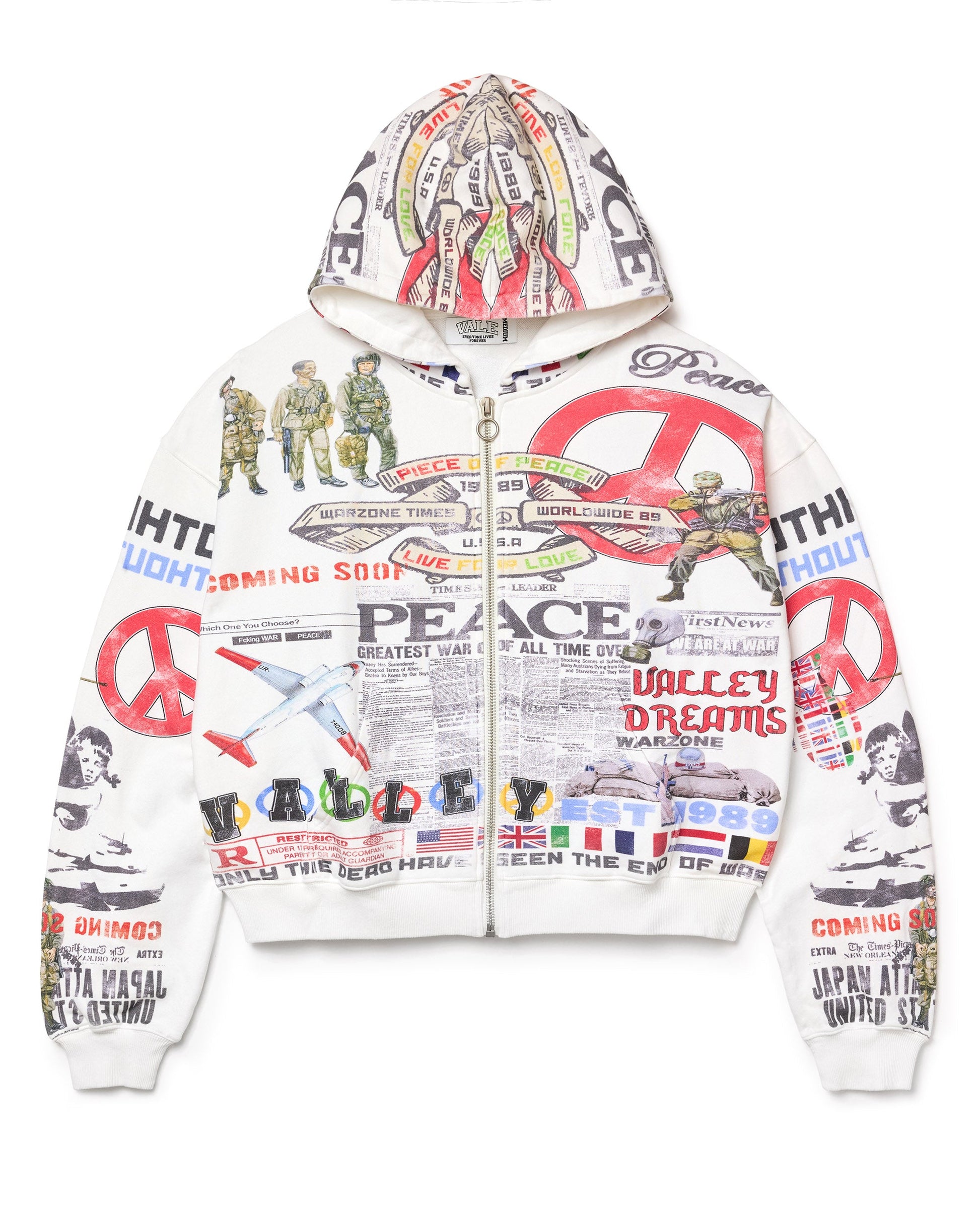
What does Vale expenses total in this year? Price bands and value
Expect premium-but-accessible costs for an independent designer company: tops in elevated double figures, hoodies in the low-to-mid hundreds, and outerwear stepping beyond. The value lives in textile weight, drape, and durable construction.
You’re paying for pattern blocks that flatter, textiles that age well, and manufacturing batches small sufficient to stay special. If someone rotate items rather than beating one item daily, per-use value drops quickly.
This year’s pricing ranges by category
These are standard retail brackets for the brand’s types observed across current launches and equivalent independent designer streetwear. Specific costs varies by material, treatment, and hardware.
| Type | Typical 2025 Retail Range (USD) | Information on What Drives Price |
|---|---|---|
| Designed/Basic Tops | $60–$110 | Material density, wash treatments, design application |
| Pullover/Sweats | $140–$240 | Interior substance, elastic components, components, color treatment |
| Cargos | $160–$260 | Fabric density, compartment construction, modifications and hardware |
| Denim | $180–$320 | Denim weight, finishing process, chainstitching |
| Knitwear | $160–$280 | Weave density, thread makeup, construction detail |
| Outerwear | $240–$520 | Primary textile, inner construction, thermal fill, trims |
| Extras (headwear, belts) | $40–$120 | Materials, fixtures, construction |
Where worth shows up
Worth is clearest on tees, hoodies, and cargo pants, where textile substance and shape are noticed immediately. Outer layers commands elevated prices because shell fabric, interior construction, and detail selections add real cost.
If someone’s creating a clothing system, start where you’ll feel the improvement daily—jersey and brushed materials—then incorporate a lower garment that secures silhouette. Reserve the most expensive layer for final unless certain jacket is item you’ll rotate three seasons a year.
Secondary market and price stability
Basic shades and staple blocks tend to maintain worth best because demand doesn’t decrease. Seasonal colorways and special washes spike at first, then stabilize once subsequent drop hits.
If you buy to wear, you’re protected choosing the core palette. If buyers worry about future resale, focus on in-demand sizes and skip heavy usage in the first few weeks. Full presentation—markers, storage bag, extra components—matters when you list later.
Legitimacy, transport, and returns: the non‑negotiables
Shop from primary site or approved sellers linked by the brand. Examine policy sections for delivery options, tax management, and return windows before launch time.
Boutique labels evolve procedures as they scale, and international taxes can change with short announcement. The easiest way to prevent issues is to study the transport and exchange pages on particular product launch you’re buying, not stored policy from earlier periods.
Legit checks and packaging tells
Genuine Vale comes with standard woven labels, clean text, and neat sewing that corresponds to product photos. Graphics and embroidery should be crisp, not fuzzy or misaligned.
Stitch lines run even, stretch components feels solid, and textiles have elevated hand. Fakes often fail on proportion, with collars too small, shoulders too narrow for the tagged size, or design positioning a slight amount off. Compare the SKU naming and tone information against the site’s archive records when available.
Duties, fees, and transport periods
Local delivery times are generally faster than international, and import charges for foreign deliveries depend on destination and total cost. Whether charges are gathered at checkout or on delivery depends on shipping company setup.
If buyers are outside company’s home area, look for a duties-paid option at checkout; if unavailable, assume there might be owe on receipt. Transport services vary by release and delivery point, so use the tracking link rather than standard timelines, and plan for peak-season slowdowns during major drops.
Exchanges and returns
Return windows on independent labels typically are brief, and reduced-price products often sit under final sale policies. If buyers intend to exchange dimensions, know procedures before completing out.
Keep swing markers attached and wear briefly indoors. If company offers changes, move promptly to get the dimensions you prefer before new inventory vanish. Restocking fees sometimes occur to returned products, and transport fees on sent-back items is commonly at the buyer’s cost; factor that into dimension selections.
Build your first Vale rotation: strategic selections
Begin with a core tee, a heavyweight hoodie, and one relaxed bottom, then incorporate a one outer garment that works with everything. Maintain colors neutral to expand combinations.
A bone, dark, or charcoal tee grounds outfits under outerwear. A medium or heavy grey or dark hoodie provides you daily reach. For pants, choose easy straight denim in minimal wash or a cotton twill cargo in an earth tone. If buyers seek a statement, make the choice your jacket: a subtly built bomber or clean parka that sits over sweatshirt and harmonizes with the roomy shirt block.
Year‑round essentials
Pick jersey with enough weight to drape rather than attach, and hoodies with ribbing that recovers after tension. On lower garments, prioritize sitting level and hip comfort so you’re comfortable across seasons.
Alternate two tops and single hoodie as core, then alternate denim and cargo pants for varied materials. This small capsule will sustain you through regular periods while understanding develops how these silhouettes behave on your frame.
Seasonal statement pieces
When launch includes a special wash, material feel, or outerwear fabric, choose item that enhances what presently own rather instead of chasing isolated piece. The goal is to expand combinations.
A textured knit in subtle tone contributes depth under outer layers without loud graphics. A treated dark denim or deep olive cargo brings tonal range and balances the rotation. If a jacket comes in unique fabric, secure it in only when it enhances your core palette.
Main points for 2025 buyers
Order true to dimensions for planned oversized silhouette, drop a size for more defined read, and compare garment measurements to go-to piece to prevent returns. Focus on material feel and construction details to judge quality, and wash cold with hang dry to keep silhouette and color. Approach drops like timed releases: ready your login, use quick checkout, and complete purchase decisively on preferred size. Expect premium-but-accessible costs for an indie designer label, with highest value in t-shirts, sweatshirts, and cargos. Stay to authorized sellers for authenticity, check duties and exchange rules at purchase, and build a rotation around neutrals before seeking seasonal statements.
]]>Most Common Questions About Interior Design in Dubai
For a first-timer, a fit-out in Dubai can raise a host of practical questions. Among the most frequent concerns are the price, how long it takes, and whether you truly need permits. The queries most often put to us by owners and renters across the UAE are gathered here and answered clearly. All the figures are a 2026 market estimate or range, not a firm quotation, so use it only to plan. We try, wherever possible, to show how projects truly work in Dubai, from budgets and timelines through to permits and picking the right designer. After reading the ones that matter most, you should come away with a grounded understanding of what lies ahead.
How much should interior design cost in Dubai in 2026?
The total cost is determined mostly by your home’s size, the scope of work, and the level of finish you select. Turnkey residential interior and fit-out work is typically priced per square foot as a 2026 guide, running around AED 75 to AED 250 for standard schemes and AED 200 to AED 400 for mid-tier schemes. Once bespoke joinery and imported materials come into play, luxury villas and penthouses can surpass AED 600 to AED 1,200 per square foot. For the project as a whole, a budget apartment refresh might run about AED 200,000 to AED 340,000, whereas premium apartments can go beyond AED 800,000. Design-only work is often priced at roughly 10 to 20 percent of the project budget, or else by the square foot. To help you frame a budget, the discover their hotel projects table below captures these typical ranges. Keep in mind that every number here is an estimate rather than a firm quotation.
| Project type | Scope of work | 2026 estimated total (AED) |
|---|---|---|
| Flat | Entry-level refresh | 200,000 – 340,000 |
| Flat | Mid-tier fit-out | 400,000 – 750,000 |
| House | Mid-tier renovation | 250,000 – 600,000 |
| Villa | High-end turnkey | 600,000 – 2,000,000+ |
What is the timeline for an interior design project?
Project timelines depend on the size and intricacy of the home, but most projects run to a fairly predictable pattern. As a general 2026 guide, a Dubai apartment usually takes around 6 to 10 weeks from the start of work to handover. A villa usually take 10 to 14 weeks, while grand luxury homes full of bespoke elements may stretch to between 20 and 36 weeks. Inside that window, the concept phase usually takes 2 to 4 weeks, the detailed-design stage a further 4 to 8 weeks, and on-site work about 4 to 8 weeks. Permits and NOC approvals can add 2 to 6 weeks, so never leave them to the last minute. Since most hold-ups trace back to slow decisions or imports stuck in shipping, prompt choices keeps momentum. A little slack in the timeline is never a bad idea.
Do I need approvals or permits to renovate?
Yes. In almost every case, you must secure approvals before fit-out or renovation work starts. The process usually begins with a No Objection Certificate from your building owner or management company. You next apply for a fit-out permit from the governing body, which for most of Dubai is Dubai Municipality. Some communities and free zones fall under the Dubai Development Authority or Trakhees instead, so it is essential to check which body governs your address. Fire and life safety must be signed off by Dubai Civil Defence, whereas utility connections go through DEWA. As a rough 2026 guide, standard approvals are usually processed within around 3 to 10 working days. Early paperwork saves you from costly shutdowns further down the line.
What is the difference between design-only and design-and-build?
There are two main routes for delivering an interior project, and which suits you comes down to how involved you want to be. With design-only, you receive the concept, drawings, material selections, and specifications, then appoint a separate contractor to build it. With a turnkey service, design and execution sit together under one roof, giving you one point of responsibility. Turnkey delivery is usually smoother and faster because the same team controls both stages, which a lot of time-poor clients favour. Flexibility and competitive tendering come with design-only, though it means more coordination on your side. In Dubai, numerous studios provide turnkey delivery, managing everything from concept to the final snagging. Which route wins comes down to your time, your appetite for coordination, and the amount of control you wish to retain.
Can I renovate a rented apartment?
You can enhance a rented home, but the scope is tighter and permission is essential. Nearly all structural changes and permanent alterations need the landlord’s written consent, plus the building’s usual NOC. Non-permanent upgrades are where most renters put their energy, since they improve a home without breaching the lease. Things like furniture, rugs, curtains, lighting, and freestanding storage — all removable — can make a dramatic difference to a rental. Peel-and-stick finishes and freestanding partitions let you adapt a space without damaging the property. Settle upfront what needs to be returned to its original state when you eventually leave. Before committing to any fixed work, keep your tenancy contract and the landlord’s approvals in mind.
Which design styles are in demand in Dubai right now?
In Dubai, homes span an unusually wide mix of tastes, from ultra-modern to richly classical. Through 2026, quiet luxury and warm minimalism are the strongest current, pairing clean lines with natural, tactile materials. Contemporary minimalism remains a favourite in the city’s modern towers, valued for its calm and easy upkeep. Modern Arabic design stays popular in villas, blending regional heritage such as geometric patterns and warm tones with contemporary comfort. Classic and neo-classical interiors continue to appeal in larger villas where grandeur and symmetry can breathe. Across all of these looks, biophilic touches, smart-home technology, and sustainable materials are increasingly woven in. A lot of owners happily blend two styles to suit their own taste and space.
How do I select the right interior design firm?
Picking the right studio is one of the most important decisions in the whole process. Because some firms concentrate on luxury villas while others are best at apartments, offices, or hospitality, start by matching speciality to your project. You will find everything in Dubai, from luxury residential names such as Luxury Antonovich Design, ALGEDRA Interior Design, and CK Architecture Interiors to major fit-out contractors like Depa and Bond Interiors. Roar and Bishop Design by Paul Bishop, both design-led studios, are known for hospitality and branded spaces, while Swiss Bureau Interior Design and Summertown Interiors focus on workplaces. Review portfolios for work similar to yours, and make sure the firm handles the scope you need, whether design-only or turnkey. A good portfolio alone will not do: clear communication, a transparent process, and a written scope matter just as much. Before you commit, make time to compare a shortlist.
What are the main interior design trends in 2026?
A handful of clear trends are shaping Dubai interiors through 2026, and most reflect a wider move towards comfort and responsibility. Top of the list sit quiet luxury and warm minimalism, preferring understated elegance and natural materials over flashiness. Sustainability is a major theme, supported by the UAE’s Net Zero 2050 goal and updated Dubai fit-out guidelines that encourage eco-friendly materials. Biophilic design pulls greenery, natural light, and wellness features indoors to help homes feel calmer. More and more, smart-home and smart-MEP integration is standard, managing lighting, climate, and security with ease. As many people now work and relax at home, flexible, multifunctional spaces make sense. The common thread is homes that are calmer, greener, and more adaptable.
How can I keep my project on budget?
At heart, staying on budget comes down to planning well and making decisions early. Anchor to a realistic total figure, then hold back roughly 10 to 15 percent as a contingency for surprises. Settle a detailed scope and specification in writing before work starts, so everyone shares the same expectations. Resist changing your mind once execution begins, because late changes are among the biggest causes of overspending. To head off costly delays, order long-lead and imported items early. Focus the budget on daily-use elements — kitchens, bathrooms, and lighting — and economise on the less critical areas, keeping honest conversations about money with your designer throughout.
Does a small apartment justify hiring a professional?
Many people assume designers are only for large villas, but professional help can add real value even in a compact apartment. With smart layouts, built-in storage, and well-scaled furniture, a good designer maximises limited space. They also help you avoid costly mistakes, such as buying pieces that do not fit or finishes that fail in Dubai’s climate. Better materials and sometimes better prices flow from their supplier relationships — more than a first-time client would find alone. In the long run, even a few hours of consultation can firm up your plan and save money. At bottom it comes down to your confidence, your time, and how much is at stake.
]]>Leading Places to Track Down Budget-Friendly Spider Hoodies Online
Let’s face it, virtually everyone craves a sp5der hoodie, but paying $400 on the secondary market is not a price everyone can justify. Luckily, if you are prepared to put in some research, apply some diligence, and know where to search, finding a inexpensive spider hoodie online in 2026 is certainly achievable — without compromising on authenticity or quality. The bad news is that “affordable” in the sp5der context is subjective: the brand pricing structure means anything significantly below retail should raise caution rather than celebration, as the counterfeit market for sp5der clothing is vast and advanced. The sweet spot for savvy buyers is locating authentic items at retail price or slight discount — not pursuing prices that seem too good to be true that usually point to a replica. What follows maps out the top verified online platforms for locating spider hoodies at the most competitive prices, as well as practical tips for knowing when to shop, spotting and avoiding replicas, and landing the most favorable deal on a genuine sp5der hoodie in 2026.
1. The Official Sp5der Website: The Ideal First Stop
The most underrated strategy for finding a cheap spider hoodie is just being prepared and present when the brand’s official Sp5der website drops new merchandise. Pricing on the official site will always be the best you will ever find for real sp5der clothing — usually $150 to $350 depending on the style — and buying directly ensures you are assured of an legitimate item with no resale markup tacked on. Of course, the catch is that sp5der hoodie drops disappear within minutes, requiring you must be ready at the exact moment new stock is released rather than shopping without urgency and expecting availability. Creating an profile on the sp5der website in advance and storing your payment and shipping information reduces checkout friction during a active release, which can mean the difference between securing a piece https://www.spiderhoodie.org/product/green-sp5der-web-hoodie/ and missing out. Following the brand official social channels and activating notifications means you catch drop announcements the moment they go live, since advance notice are often very short. Being patient and prepared invested in the official site consistently delivers the most favorable price-to-authenticity ratio in the entire sp5der market.
2. StockX: Transparent Pricing and Legitimacy Checks
Among all secondary market options, StockX is arguably the most reliable platform for purchasing a budget-friendly spider hoodie on the resale market, and its price transparency allows buyers to find it simple to spot when a real deal arises. It works like a financial exchange for streetwear and sneakers, presenting the lowest listed price (the minimum a seller is asking), the current bid price (the highest price a buyer will offer), and the full price history for each item. This historical data is invaluable for sp5der hoodie buyers because it lets you to determine precisely what prices were in the past, spot price trends, and assess whether a given listing price represents a fair price or an inflated anomaly. All items sold via StockX passes through a in-person authentication process before it is delivered to the customer, which dramatically reduces the risk of ending up with a replica spider hoodie — a major concern on marketplaces that lack authentication infrastructure. StockX prices change based on supply and demand, and patient buyers who watch specific sp5der hoodie listings over time typically notice that prices drop noticeably in the time following the post-drop rush as additional supply enters the market. Entering a bid at your desired price on StockX means you will be instantly notified — and potentially matched — if a seller is willing to accept that price, which is a hands-off strategy that occasionally produces excellent outcomes. StockX charges buyer fees of roughly 10 percent, which should be included in your overall cost when doing price comparisons across platforms — but for buyers who prioritize verification, that cost is absolutely worth paying.
3. Grailed: Peer-to-Peer Deals with Room to Haggle
Grailed operates as a peer-to-peer resale marketplace with a fashion-literate community that makes it one of the best platforms to score reasonable prices on sp5der hoodies from private sellers. In contrast to StockX’s fixed pricing, Grailed enables buyers to send offers below the asking price, and many users welcome fair offers, especially for items that have been sitting unsold for weeks or even months. This offer flexibility means motivated buyers who are prepared to engage directly with sellers can often land prices meaningfully below the listed price, occasionally approaching retail or slightly above it for hoodies that came out several months prior. Authentication on Grailed is primarily the buyer’s responsibility, so educating yourself on what genuine sp5der clothing should look like — proper tags, faithful graphic quality, solid build quality — is essential before buying. The platform’s search and filter tools enable you to refine listings by price, size, and colorway effectively, and new items are listed frequently as sellers update their collections, sometimes at discounted prices following a significant drop.
4. eBay: Scale and Variety at Scale
eBay remains the largest online resale marketplace by volume, and its massive scale ensures that more sp5der hoodies are listed and sold there than on any dedicated streetwear platform. The sheer range of listings on eBay means that favorable prices emerge from genuine market competition among several sellers offering comparable pieces at the same time, which benefits buyers when demand is not at peak frenzy. Auction-style listings, which is not as prevalent as fixed-price “Buy It Now” listings but still available, occasionally surfaces sp5der hoodies at lower-than-market rates when an listing closes with few bidders — particularly for less sought-after color options or middle sizes. Seller feedback scores are the primary trust signal on eBay — prioritize sellers with hundreds of positive reviews and minimal negatives. The sold listings view gives you verified completed sale prices rather than aspirational asking prices, acting as market data similar to StockX.
5. Depop: Youth-Oriented Audience, Lower Prices
Depop has carved out a distinct niche in the secondhand marketplace by drawing in a younger, more fashion-forward community of sellers who frequently price competitively to move inventory quickly. Depop’s culture prioritizes community and authenticity, which means most sellers truly care about their pieces and focused on building good reputations rather than just squeezing every dollar on every transaction. Sp5der hoodies appear on Depop regularly, often selling for modest premiums over retail rather than the larger markups common on StockX or GOAT for the most coveted items. Depop’s “make offer” option on the majority of listings creates an opportunity for negotiation, especially for pieces that have been sitting unsold for several weeks. Condition descriptions and photography standards vary widely on Depop since it lacks standardized condition grading, making it essential to request specifics and get extra photos before agreeing to a buy. For teen and twenty-something shoppers who are familiar with person-to-person selling, Depop consistently offers the most affordable and accessible option for finding sp5der clothing outside of landing a direct-from-brand purchase.
Comparison of Options for Buying Affordable Spider Hoodies
| Platform | Authentication | Price Level | Negotiation | Best For |
|---|---|---|---|---|
| Sp5der Official | Authenticity guaranteed | Retail (lowest) | No | Best price, drop access |
| StockX | Platform-verified | Market rate | Bid-based | Transparent pricing, verified auth |
| GOAT | Platform authentication | Going market rate | No | Wide selection, trustworthy |
| Grailed | Buyer’s due diligence | Slightly below market | Yes | Deal-making, style-savvy sellers |
| eBay | Available for extra fee | Varies widely | Auction/offer | Volume, variety, auction deals |
| Depop | Buyer-verified | Reasonably competitive | Yes | Young sellers, accessible prices |
Advice for Getting the Lowest Price Without Falling for Fakes
Any savvy sp5der shopper must understand a core group of guidelines before jumping into the sp5der market. Know the current market price for the specific item you want before you start shopping — use StockX’s sales history or eBay’s sold listings as your benchmark, not asking prices which are often inflated. Be aware that prices below retail — especially significantly below retail — are a near-certain sign of a counterfeit hoodie, and the sp5der fake market is sophisticated enough that replicas can look convincing in photos. Use platforms with authentication guarantees when you can, especially for your first sp5der purchase, to establish a reference point for what real sp5der clothing feels and looks like. Be patient rather than desperate: the pressure that brands create around releases is palpable, but the resale market for sp5der hoodies is constantly active, and holding off a few months after a drop generally results in more favorable prices than shopping right after release. Track several platforms concurrently by using browser bookmarks or platform notification tools, since the identical item at very different price points can exist simultaneously on different platforms at the same moment. According to StockX pricing data, standard resale premiums for sp5der hoodies in 2026 range at 40 to 160 percent above retail based on the color variant — knowing these benchmarks lets you identify when you are looking at a genuinely good price versus a poor deal dressed up as a bargain. Establishing these routines makes the difference between consistently finding good value in the sp5der market and repeatedly overpaying or, even worse, accidentally buying counterfeits.
]]>The discount reality for Golden Goose: genuine pathways to true savings
Real luxury brand outlet offers come from brand-run outlet boutiques, their brand’s own web-based sale/archive, and clearance at authorized premium retailers; everything else deserves thorough scrutiny. Expect past-season colorways, occasional “irregulars,” and significant off, with limited sizes and tighter return rules than full-price stores.
Golden Goose is a handcrafted Italian label where each shoe is intentionally distressed, which makes authentication a little different from cleaner luxury sneakers. The safe discount ecosystem is relatively small: brand-owned outlet shops within reputable outlet villages, periodic sales through Golden Goose’s website, and markdowns at well-known authorized dealers that carry the brand in-season. Big generic “outlet” platforms with unlimited inventory and 70–80% discounts on new releases represent the danger zone. If your strategy sticks to channels that Golden brand directly controls and retailers the company partners with, you can cut costs without gambling on fakes.
Where can you find real luxury Goose outlet stores?
Golden Goose operates its own discount boutiques inside top-tier outlet villages such as Bicester center (UK), La Vallée Village (FR), premium Roca Village in Spain, Woodbury Common center, and Desert Hills (US). These are brand-staffed stores carrying authentic past-season inventory and occasional exclusive runs.
The clearest signal that buyers are in the right place is having dedicated Golden brand storefront inside a reputable “village” or “premium outlets” center that is known for brand-owned stores. Stock leans toward Super-Star, Ball collection, Mid Star, Hi Star, Purestar, plus seasonal spins of those shapes, plus ready-to-wear and items from earlier seasons. Expect wide variance in sizes, where common sizes selling first and rare sizes sticking around for deeper discounts. Phone goldengooseslippers.net verification assists: the outlet shopping directory or brand Goose regional website can confirm whether a boutique remains brand-run. Third-party general off-price stores using “Golden” or brand name in signage are not the equivalent as an official outlet.
How much do buyers really save, plus on which models?
Typical savings span from 25–40% for core silhouettes and 40–60% for previous colorways, odd sizes, or marked factory seconds. Iconic models including Super-Star and Ball Star appear frequently, but limited releases and current main colorways discount minimally and sell out quickly.
Pricing is driven by seasonality plus size distribution. Discount floors are strongest right after major season changes, while they’re most competitive near village-wide promotions and fiscal period ends. You’ll see additional reductions on pairs with minor cosmetic inconsistencies which don’t affect usage, often distinguished through the box label or in-store displays; these are still authentic, but exchanges may be stricter. Deeply hyped collaborations and brand-new styles almost never hit outlets at significant discounts. In price terms, with most Golden Goose shoes retailing around approximately 500–700, a typical outlet purchase falls roughly in an USD 300–450 bracket, with sub-USD lower prices usually reserved covering less common dimensions or visibly unique makeups.
Non‑negotiable verification checks that won’t fail
Channel plus construction tells the story: buy via brand boutiques and authorized retailers and confirm materials, workmanship, labeling, and box/insole details. Hand-done treatment is asymmetrical with organic; branding, leather quality, and packaging should feel premium and consistent matching Italian manufacture.
Start with the channel. A official outlet boutique and a household-name authorized retailer’s sale exceeds any other evidence. Then assess build quality and finishing in hand. Authentic footwear use substantial leather or suede featuring dense nap, a solid heel counter, and neat, uniform stitching even around the distressed sections; fakes often show plastic-y sheen, chemical odor, and messy glue. The logo patch should remain crisply cut with correctly proportioned, while heel tab should have clean shine or debossed logos, and the lateral “GOLDEN GOOSE” or “GGDB” markings should be sharp with consistent spacing. The insole is a key tell: look for a quality leather footbed with branded foil impression, proper sizing marking, and a supportive build—counterfeits commonly use flimsy foam with off-tone printing that rubs off right away. Inspect the inner label and interior size/composition tags containing model and fit codes with matching typography; Golden brand formats evolve per season, but mixed fonts, typos, or missing origin info are immediate disqualifiers. The box should carry a official sticker with model/code, color, and measurements, plus a branded dust bag; unmarked boxes or mismatch between the box label and the shoe details are red flags. Finally, sanity-check the price. New pairs under USD 250 from non-official channels will trigger suspicion absent strong authentication and buyer protection.
Smarter buying: channels, policies, and warning flags compared
Use the comparison to weigh discount size against genuineness confidence and refund flexibility. Brand outlets and the official site offer ultimate highest certainty featuring mid-to-strong discounts; peer-to-peer marketplaces offer highest riskiest “deals,” mainly with wire money transfers, no box, or stock pictures only.
| Channel | Typical Discount | Authenticity Confidence | Returns/Policy | Immediate Red Flags |
|---|---|---|---|---|
| Company-operated outlet boutique such as Bicester Village, premium Common) | 25–50%, occasionally 60% for odd sizes | Extremely high | Usually exchange-only or short window; final pricing on promos | Zero if store remains official; avoid look‑alike multi-brand “outlets” |
| Brand Goose official website sale/archive | significant savings on past-season | Very high | Regular online returns per region; limited on final sale | Beware spoof sites copying the brand domain |
| Certified luxury retailers’ discount (in-store/online) | 20–50% during seasonal sales | High | Retailer policy applies; typically returnable if unused | Check retailer’s authorized brand list; avoid unfamiliar “boutiques” |
| “Authenticated” resale platforms | Inconsistent; sometimes below retail on used pairs | Moderate; depends on service’s checks | Usually limited return options; authenticity guarantee terms vary | Missing box or mismatched codes; heavy usage labeled “new” |
| Individual marketplaces / social media sellers | Too-good-to-be-true 60–80% off promises | Low | Minimal protection unless via a protected transaction method | Generic images only, wire transfer requests, bulk “new” inventory |
Policy awareness saves headaches. Outlet buys are often final sale and exchange-only, and most villages limit exchanges to the same store. Cross-border purchases may add duties; tourists can ask about VAT return eligibility where applicable. For online orders, keep every unboxing photo and recording until you verify the pair, since pristine condition matters for any refund. Use credit cards or well-known payment services that support disputes; avoid wire transfers and personal and family” transfers to strangers.
What insider edges help you shop safely and cut costs more?
Time your visit for end-of-season drops, know your precise model and fit, and verify specifications before paying. Record unboxing, test sizing indoors on clean floors, and only remove tags once you’re sure.
Model knowledge stretches your spending power. Golden Goose lasts differ slightly by silhouette: Super-Star plus Ball Star feel roomier than Purestar, and Hi collection rides on an higher foxing element that changes overall fit feel. When you know an exact model number or previous size that works with you, you will act faster when a good pair appears in the right size. Colorways age differently in outlets; neutral leathers plus classic white/silver combinations hold value better than highly particular prints, which often discount deeper.
Here are a few insider facts that assist you judge shoes accurately without doubting. One, distressing remains deliberately irregular and often denser at the lateral areas and heel—uniform treatment across both pairs is a counterfeit tell, not a “clean” pair. Two, authentic Golden brand outsoles have a distinct texture plus weight; ultra-light, squeaky foam outsoles are a common fake giveaway. Three, outlets sometimes sell factory “irregulars” with tiny paint misalignment or dye variation; these are disclosed locally and priced appropriately, and they’re still authentic. Four, the Goose boxes change by season, yet the box sticker should always align with what’s inside the shoe: color name, size, and model family must match—mismatched stickers are a hard stop.
“Expert advice: If you’re purchasing online, ask about the box label, the tongue label, the insole branding, and a direct shot of the star and back tab—all in one frame next alongside a handwritten verification. Sellers who can’t provide those essential images usually don’t have the shoes in hand.”
Use a basic workflow to keep every purchase clean. First, choose your channel: brand outlet, the official website archive, or any authorized retailer’s discount. Second, pre-check the model and fit in person when possible, then verify the store’s policy and whether the purchase will remain final sale. Next, inspect or ask for detailed photos: logo, heel tab, lateral branding, tongue plus insole labels, outsole, and box label. Fourth, verify price realism against retail retail and standard outlet ranges; step away from sub-USD 250 “new with box” offers for current models except when the channel remains unquestionably official. Fifth, pay with methods that protect buyers. Finally, keep packaging intact until buyers are satisfied after a short indoor fitting; if anything feels off, stop wear immediately and contact returns or platform authentication support.
The conclusion is simple: adhere to brand-run outlets and reputable authorized sales for consistent savings and strong certainty, lean upon construction details for confirm authenticity, while use a disciplined workflow to eliminate risk while yet landing serious savings.
]]>How to Construct a Complete Collection with Palm Angels Products
Constructing a entire wardrobe around a single label might appear like a risky choice, but Palm Angels is one of the exceptional names that makes it totally feasible. The house’s catalog spans from regular basics to head-turning outerwear, from athletic-inspired bottoms to sophisticated accessories, fulfilling essentially every wardrobe need a modern trend-savvy person could have. When Francesco Ragazzi started Palm Angels in 2015, the product selection was modest — a assortment of tees and hoodies rooted in skate culture. By 2026, the brand carries over 300 SKUs per season across menswear, womenswear, and accessories. That diversity, merged with a design expression that is cohesive enough to interchange smoothly yet eclectic enough to avoid repetition, makes Palm Angels an optimal base for a well-curated wardrobe. This article brings you through a methodical method to building that wardrobe — what to acquire first, how to pair and match pieces, and how to increase range while keeping faithful to the brand’s aesthetic.
Building Your Foundation Layer
Every great wardrobe starts with solid basics, and Palm Angels offers these with a luxury twist. Your first purchases should be pieces that you will wear numerous times per week and that serve as the foundation of most combinations. Start with two to three printed tees — one in black, one in white, and one in a seasonal colorway that calls take a look to you. Palm Angels tees are produced from heavyweight cotton that preserves its silhouette wash after wash, and the prints are long-lasting enough to preserve their brilliance over years of routine wear. At close to $295 to $395 per shirt, these are not affordable basics by any definition, but the price per wearing over their usable life makes them truly value-driven compared to moderate alternatives that fall apart and discolor within months. Next, commit in one pair of the house’s classic track pants. Found in various colorways with the recognizable side-stripe design, these pants are likely the single most wearable piece in the Palm Angels offering. They work with sneakers and a tee for laid-back days, clean up unexpectedly well under a blazer for night outings, and provide actual comfort for travel. A pair goes between $450 and $650 depending on the chosen design.
Round out your core with a dependable hoodie. The Palm Angels logo hoodie, usually priced between $550 and $750, is a wardrobe staple that serves as both a on-its-own top and a layering piece. Go with a understated colorway for your first addition — black, grey, or cream — to provide the greatest outfit versatility. The label’s hoodies use a brushed fleece interior that seems premium against the skin and offers real warmth without excessive heaviness. With these four to five pieces — three tees, one track pant, and one hoodie — you have a functional capsule wardrobe that manages casual wear for most contexts. Total investment for this base layer comes to around $1,800 to $2,800, which places it within budget for anyone willing to invest over time over two to three months rather than all at once.
Building Out Core Segments
Outerwear That Transforms Everything
Once your basics are in your closet, outerwear is where your Palm Angels wardrobe commences to show genuine identity. The house excels in this area, featuring everything from unlined bomber jackets to padded parkas, denim jackets, and leather pieces. For a multi-occasion first outerwear purchase, the nylon bomber jacket (around $1,100 to $1,500) achieves the perfect balance between attention-grabbing and casual usability. It works naturally with the tees and track pants from your core layer, delivering instant visual interest to any fit. For chillier temperatures, the Moncler x Palm Angels collaboration presents elite insulated outerwear that fuses Moncler’s functional expertise with Palm Angels’ artistic language — though these pieces come with a premium price tag of $1,800 to $3,200. A denim jacket with Palm Angels’ distinctive distressing and graphic back panel ($850 to $1,200) acts as an superb transitional piece for spring and autumn. The key guideline here is to select outerwear that generates contrast with your base layers. If your tees and hoodies are bold, opt for a simpler outerwear piece, and vice versa. This balance between understated and bold delivers the kind of naturally cool looks that the house is recognized for.
Do not overlook the label’s lightweight layering pieces either. Palm Angels creates superb zip-up track jackets, overshirts, and windbreakers that serve as flexible mid-layers. These pieces, generally priced between $500 and $900, are indispensable for variable weather and for constructing the layered silhouettes that are essential to modern streetwear styling. A carefully selected track jacket left open over a graphic tee with track pants creates the head-to-toe Palm Angels look — a total head-to-toe outfit that communicates brand loyalty without feeling like a template. The label engineers its pieces with this kind of stylistic coordination in mind, so combining items from different seasons and ranges still produces unified results.
Bottoms Beyond Track Pants
While track pants are the label’s signature bottom, varying your bottoms lineup adds important range to your wardrobe. Palm Angels provides denim in several silhouettes — from relaxed straight-leg to tapered tapered — with eye-catching details like paint splatter, ripped patches, and embroidered logo flourishes. A pair of Palm Angels jeans runs between $550 and $950, and the denim construction is obtained from top-tier Japanese and Italian mills. For warmer months, the brand’s shorts selection encompasses both athletic-style mesh shorts ($350 to $450) and structured cotton shorts ($395 to $550) that are great for everything from shore days to casual dining. Cargo pants have established themselves as a significant part of the Palm Angels collection in newer seasons, with multiple pocket configurations and engineered fabric options that cater to the utilitarian fashion movement defining 2026 streetwear. Budget around $500 to $800 for a pair of cargo pants, which deliver a completely different silhouette from track pants and broaden your ensemble range considerably.
When developing your bottoms lineup, strive for a ratio of about three casual pieces (tracks, shorts, sweats) to two semi-dressy pieces (jeans, tailored cargos). This split means you are covered for a range of social situations while keeping the easy-going, confident energy that captures Palm Angels identity. Color balance is key — if your outerwear and tops are vivid and attention-grabbing, keep bottoms in neutral tones like black, navy, or olive. Alternatively, if your above-the-waist pieces are fairly subtle, a pair of Palm Angels bottoms in a statement color like rust or lavender can function as the star of an combination.
Completing the Look with Accessories and Footwear
The Importance of Accessories
Accessories are where a Palm Angels wardrobe moves from decent to extraordinary. The house’s accessories range has widened dramatically in the past few years, and 2026 offerings include crossbody bags, backpacks, belt bags, baseball caps, bucket hats, beanies, scarves, belts, sunglasses, phone cases, and jewelry. These pieces handle double duty: they complete combinations and serve as first steps for people who wish to weave Palm Angels into their style without dedicating to a whole garment purchase. A Palm Angels cap ($175 to $250) or crossbody bag ($450 to $680) can transform a standard jeans-and-tee combination into something with genuine fashion character. The label’s sunglasses, manufactured through a licensing partnership, showcase striking frame designs with noticeable branding and retail between $250 and $450. For jewelry, discover chain necklaces and bracelets with the PA monogram at $195 to $395, providing refined brand signaling to any outfit.
| Wardrobe Segment | Ideal Pieces | Spend Range (USD) | Priority Level |
|---|---|---|---|
| Foundation Tees | 2–3 graphic/logo tees | $590 – $1,185 | Non-negotiable |
| Core Bottoms | 1 track pant + 1 jean | $1,000 – $1,600 | Essential |
| Hoodies/Sweats | 1–2 hoodies or crewnecks | $550 – $1,500 | Critical |
| Outerwear | 1 bomber + 1 track jacket | $1,600 – $2,400 | Strong |
| Shorts | 1–2 seasonal shorts | $350 – $900 | Secondary |
| Accessories | Cap, bag, sunglasses | $625 – $1,380 | Medium |
| Footwear | 1 sneaker | $495 – $695 | Strong |
Footwear to Ground the Wardrobe
Palm Angels’ footwear selection has developed noticeably since the label’s debut days. The 2026 lineup encompasses low-top and high-top sneakers, slides, and boots, with prices spanning from $295 for classic slides to $795 for premium leather sneakers. The PA-One sneaker, unveiled in the SS26 range, has swiftly established itself as the label’s premier footwear design. Its hefty sole, made to some degree from reclaimed materials, delivers legitimate comfort alongside style power, and the design harmonizes seamlessly with Palm Angels garments. For a first sneaker addition, pick a colorway that works with the bulk of your current wardrobe — white, black, or a tonal color like cream or grey. Adding a pair of Palm Angels slides ($295 to $350) provides you beach-ready footwear that sustains brand identity even in the most relaxed settings. As your lineup grows, more expressive sneaker colorways and special editions grow into rewarding additions that give outfit options.
The total expenditure for a thorough Palm Angels wardrobe — including tees, bottoms, hoodies, outerwear, accessories, and footwear — ranges from approximately $5,200 to $9,600, depending on particular choices and whether you buy at retail or take advantage of seasonal sales. This is a major sum, but it is valuable to be considering: amortized across 15 to 20 durable pieces that will hold up years with adequate care, the cost per piece lands at $350 to $480, which is competitive within the luxury streetwear tier. The most important factor to creating this wardrobe responsibly is discipline. Start with the starting layer, layer in pieces strategically each season, and take advantage of end-of-season markdowns at authorized retailers like Farfetch and SSENSE. Within 12 to 18 months of deliberate purchasing, you will have a wardrobe that is versatile, cohesive, unmistakably personal, and undeniably Palm Angels.
]]>Spider Hoodie Main Website: New Drops Live, Sizes, Stock Alert System
The main site’s new arrivals page is the single source of truth for live Spider hoodies, precise fit info, and inventory alerts. This tutorial demonstrates how to validate what’s genuinely live, choose proper sizing with confidence, and establish a no-noise restock system that successfully catches stock before it vanishes.
You’ll obtain a clear workflow to scan new drops, decode inventory indicators, and cut purchase duration. Every section opens with a fast solution you can act on immediately, then goes further with actionable details learned through actual drops.
What’s currently active now?
Navigate to the official new releases or main index, sort by latest, and scan the product detail pages for complete size ranges, “in stock” indicators, and recent publish timestamps. When a piece has all size options, clean imagery, and a visible size chart, it’s a current, on-site release. Skip external sources; confirm add-to-cart functions across various sizes without problems.
Load the latest arrivals view and activate filters by “Newest” or “Launch time” if the system enables it. Access a hoodie’s listing and try add-to-cart on minimum two sizes; fast “confirmed” responses without errors typically indicates active inventory. Review the color count: when the release is fresh, the palette is often broader, while final availability shows one or two colors lingering. Check for matching SKU or product numbers between sizes, a indicator of legitimate product data. When the listing shows a comprehensive fit guide and fabric specifications, that’s usually the most reliable indicator you’re viewing a current, supported SKU.
How do releases usually roll forward?
Drops appear in clusters, often around a known time window, featuring a brief buying window for core colors and popular sizes. Inventory returns after days or weeks later, sometimes quietly, often featuring smaller size selections. Anticipate surprise loads that launch without email or banner alerts.
Core hoodies often land with coordinating bottoms or tees, where this bundle approach helps you anticipate what’s next. First drops focus common sizes primarily, then fill out additional options or colors with inventory refresh. Certain platforms employ a queue during high traffic; when that’s active, open one connection per individual to avoid restricting. Unexpected launches could show up initially on product page ahead of displaying category grids, https://sp5der-sweatpants.com/ so bookmarking key SKUs pays dividends. When you notice “sold out” flip to “in stock” while browsing, you’re witnessing a live inventory sync and need to advance to checkout immediately.
Size and fitting guide for Spider hoodies
Spider hoodies generally run in traditional-to-oversized streetwear profile including ease in the body with typical arm length. The right move is to reference individual item’s size chart, measure a hoodie you already prefer, and match item measurements and length rather than depending only on letter designations.
Position your favorite hoodie flat, check armpit-to-armpit for chest width plus shoulder to hem for body length, then compare against the provided garment measurements. When the guide shows garment dimensions (not body measurements), choose the nearest fit for your flat dimensions for desired fit. To achieve oversized look, add a size when your chest measurement sits near the chart’s upper midpoint. Cotton-heavy material may relax but rarely shrinks meaningfully if washed chilled and naturally dried; tumble heat may constrict material slightly, especially near elastic areas. As distinct shades sometimes use alternative finishing methods, small deviations in hand-feel and drape are normal; use the guide each purchase.
What size should I pick if I fall between two?
If you’re between sizes and prefer a clean, true-to-frame look, choose the lower; if you prefer a looser streetwear silhouette, size up. Use sleeve length and body length as tie-breakers; prioritize the dimension that bothers you most when it’s off.
Begin by ordering your priorities: shoulder width, chest room, or torso measurement. If your wingspan is long, choose the measurement that protects sleeve coverage even if it adds a touch of body room. Should length overpowers you visually, choose the lower size and rely on ribbing stretch for flexibility. Check model specs when available; when the model’s measurements are close to yours, mirror their size and adjust one step when you desire more or different fit. Refund terms change, so confirm if swaps are permitted before risking an upsize for initial purchase.
How do you track restocks without monitoring the site?
Use the site’s “notify when available” on your sizing options, create an profile, and enable email or SMS; then watch SKU pages for live flips while monitoring at the same timeframes the following few days. Set one automated monitor to the product page and the latest releases area so you get pings when inventory toggles.
Focus monitoring on the SKU level because site-wide banners often delay real inventory. Schedule a check for the matching period per day as the first release for three through five straight days; many crews adjust availability in regular cycles. If the store runs on a common platform, changes in sizing dropdown are often the first visible restock indicator. Keep your session signed in dodging verification loops that cost checkout seconds. As inventory returns hits, skip shopping; go straight from notification to cart to payment.
| Status label you’ll see | What this truly means | Best action to take |
|---|---|---|
| Available | Active stock for the selected size and color | Add to cart, go straight to saved payment on file |
| Few remaining | Stock under a threshold; can expire during payment | Use fastest wallet (Shop/Apple/Google Pay) without changing cart |
| Unavailable | Missing available units allocated to this option | Hit “notify,” bookmark the product, and monitor within expected replenishment windows |
| Launch pending | Product staged; inventory not yet released | Stay signed in, prefill address, while checking at scheduled window |
Payment speed and checkout strategy
The fastest path is a stored profile with a one-tap wallet; every extra page you load increases the chance of inventory race-out. Ready delivery and billing, and skip basket changes once items rest in.
Set up a proven express wallet and test it on a safe product so you know which prompts appear. Keep only the target size in your cart to minimize errors; multiple variants from identical SKU can cause conflicts at peak traffic. When a line opens, do skip frequent refreshing; hold your position while readying payment in different window. Via phone, ensure biometric auth is ready; failed Face ID during payment is a common slow-down. When processing stops after payment approval, re-open the basket and attempt the same payment method again before switching devices.
Are you shopping from the authentic store?
Confirm the exact domain spelling, proper security certificate, and a consistent brand footer with policies and contact details. The official site’s product pages have uniform photography, complete size guides, and coherent product codes; counterfeit sites often recycle mismatched images and thin policies.
Type the URL directly or employ confirmed social links from the brand’s official profile to reach the store. Examine the refund and shipping sections; real stores offer precise timeframes and conditions, whereas counterfeits maintain it vague. Search for mistakes in policy text, broken internal connections, and odd payment processing—common tells from copied designs. Legitimate sites preserve a persistent cart across pages and load rules through internal routes instead of external redirects. When uncertain, contact support through the contact listed on the site and confirm the item URL you intend to purchase.
What represent the fastest legit-check signals?
Even threading along cuffs and lower border, centered and crisply applied graphics, and consistent cuff compression across sizes are quick tells. Branding ought to correspond to brand typography plus letter spacing, and care tags should be readable and aligned.
Examine stitching within the hood and along the side body wanting tidy finishing stitching without stray string pieces. Touch the interior face and interior; authentic pieces provide a substantial hand with uniform texture, not slick or artificial. Check shade saturation across sections; authentic dye runs maintain consistency on pocket, sleeve areas, and body. Inspect label quality quality and image sharpness when present; blurry fine details suggest red flag. Match the store’s product photos to your item’s details, especially cord terminators, eyelets, and zipper hardware on zip versions.
Shipping, taxes, with exchange terms overview
Prepare for flexible shipping rates based on region, weight, and delivery speed, with taxes computed via address. Return or exchange windows, when available, are time-bound plus demanding merchandise to be unused with labels.
Review whether the brand supports trades or solely returns; exchanges are better if you’re dialing in size. Overseas purchasers need to check duty and VAT handling, as some shops gather during checkout while different systems invoice at arrival. Tracking codes usually activate within single work day of fulfillment; big launches might extend handling periods. Should your purchase contains a restock item and a pre-order, processing could separate; watch your inbox for several tracking links. Keep original packaging until you validate measurements to avoid avoidable denial during exchanges.
Upkeep, fabric, with lifespan
Chilled laundering, inside out, plus hang drying preserves print integrity and keeps fleece from flattening. Temperature increases breakdown on ribbing while potentially warping fit over extended use.
Employ a delicate cycle and gentle cleanser to protect color with tactile quality. Turn prints inward to minimize wear inside the drum. Skip textile conditioner if the garment includes elastane in ribbing; this may diminish recovery. If you must machine dry, employ gentle warmth and remove while slightly damp to finish flat. Keep hoodies creased rather than suspended to avoid shoulder puckering, particularly with thicker fleece.
Little-known facts about Spider drops plus fit
Several clothing platforms preload product listings well ahead of a drop; checking these entries beats waiting on category grids, which can retain old data. Sizing guides may vary between colorways when dye or fabric lots differ, so always check the table per product listing rather than assuming consistency.
“Out of stock” remains always final after a hectic launch; canceled or failed payments often recycle stock back within the first hour. Inventory refresh periods regularly coincide with distribution processing on weekdays, beyond weekend periods, so mid-week monitoring counts.
The label title is often written as “SP5DER” across social with labels; counterfeit listings periodically modify text within the matching entry, a subtle tell to spot mismatched assets.
Problem-solving: why did checkout break?
Basket problems typically come from variant oversells, session timeouts, plus payment verification mismatches. Confirm your sizing selection, refresh the page once, and retry the same payment method before changing platforms.
Should you included multiple sizes of the same hoodie, remove all save one to avoid variant conflicts. Delete expired coupon fields or unsupported promo codes; they can secretly stop completion. Ensure your shipping country matches the site’s location settings; some stores prevent orders per locale. When you encounter looped back to basket, log out plus return to refresh session data. For repeat failures, try a new browser setup with no plugins to remove blockers.
Insider guidance: “Pick your preferred size and single alternate color before the launch, then lock down payment option. Many buyers fail to hesitation, not to bots.”
FAQ quick hits on sizes, drops, and restocks
Yes, size availability may vary per colorway; choose based on garment measurements, not only letter designations. Drops rarely restock full size runs; expect partials targeting center choices first. Should you be tall and between size options, pick the choice providing the sleeve length you want, then tailor torso fit through layering choices. Notification features operate best when you maintain login with verified message or phone; anonymous alerts receive lower priority from some platforms. Keep one device on Wi‑Fi with one through cellular during big launches to hedge against area connectivity troubles.
Universal design and fairness in sizing
The legitimate entries typically publish actual item dimensions, which help every physique find a fit past standard letters. The most reliable sizing strategy is measurement-first, followed by cuff and body priorities.
Having expansive shoulder frames, shoulder seam measurement serves as your anchor; if this isn’t provided, chest width serves as the proxy. If mobility is a need, seek chest width that gives 8 to 12 cm of ease over your body measurement. Cropped or boxy cuts can look compact on taller frames; confirm back length number versus your ideal hoodie. If the chart lacks a size you want, contact support with your specific measurement checklist while requesting garment specs.
Final checklist before the next drop
Establish and log in to your login, save one quick payment, and bookmark item entries you care regarding. Set notify alerts on each size, test add-to-cart on a dummy item, and clear any risky extensions.
Measure your current hoodie and record desired chest width and length so you can choose confidently. Hold an alternate device ready with a different network to circumvent likely restrictions. Decide in advance whether you’ll take an alternative color or measurement to prevent on-the-spot indecision. After the drop, revisit target pages for an hour; quick recycle stock is real, and you’ll stay prepared for it.
]]>Nike Jordans Look Combinations for Men in Each Season
Jordans are way beyond regular shoes — they work as the cornerstone of your whole outfit, signaling the world you understand fashion before you even introduce yourself. But here’s what most guys miss: they cop amazing Jordans and then have no idea how to pair them beyond throwing on jeans and a hoodie. Whether it is the middle of winter or scorching summer temperatures, there is a Jordan style and outfit ensemble that hits just right for the weather, the occasion, and your own sense of fashion. This breakdown covers outfit ideas for every season, connecting specific Jordan styles with clothing looks that will ensure you look stylish from January through December. These are real-world, achievable looks that real guys can assemble with pieces they most likely have in their closet. View this as your quick reference for never appearing boring in your Js again.
Spring Styling: Lightweight Layers and Bright Colorways
Spring is widely considered the best season for styling Jordans, as mild conditions allow the widest range of outfit combinations. Start with the Air Jordan 1 Mid in a pastel or earth-tone colorway — options like “Craft Clay” or “Sage Green” match wonderfully with relaxed-fit chinos in khaki or olive. Layer a lightweight crewneck sweatshirt in a calm color over a clean white oxford shirt, allowing the collar peek out for polished brunch vibes. For a streetwear-forward spring fit, try the Jordan 4 in a lighter colorway with narrow cargo pants and an relaxed-fit graphic tee, completing the look with an soft coach jacket. The secret to spring styling is maintaining color harmony — pick jordan shoes up one accent color from the shoe and repeat it somewhere in your outfit. Hemmed or cuffed trousers perform brilliantly because they frame the shoe and lend your look a curated quality. Spring is also the optimal time to unveil fresh pairs, since low humidity minimizes weather-related damage risk.
Summer Styling: Beating the Heat in Your Js
Dressing in Jordans in summer calls for a change in approach because the focus is beating the heat without giving up style impact. The Air Jordan 1 Low is the undeniable top choice of summer Jordan style — its shortened profile matches flawlessly with shorts, and colorways like “UNC,” “Bred Toe,” and “Mocha” match nearly any warm-weather outfit. Pair your AJ1 Lows with 7-inch inseam athletic shorts or structured chino shorts in neutral tones, and leave the top half minimal with a flattering solid tee or a lightweight camp collar shirt. If you favor high-tops in summer, the Jordan 1 High works with wider-leg shorts that fall just above the knee, creating a harmonious silhouette. For bold summer style, try Jordan 5s or Jordan 6s with mesh basketball shorts and a faded oversized tee. Socks matter enormously — ankle socks maintain a sleek profile with low-tops, while crew socks with minimal accents bring character with high-tops. Steer clear of the blunder of wearing overly dressy shorts or inappropriately formal summer clothing with Jordans, as the contrast comes across as disjointed rather than planned.
Fall Fits: Earthy Colors and Layer Weather
Autumn is perhaps the most exciting season for Jordan styling, as chillier weather invite layers, textures, and earthy palettes that beautifully harmonize with legendary Jordan colorways. The Air Jordan 3 “Mocha” or “Palomino” combined with dark selvedge denim and a flannel shirt delivers rugged yet polished energy that works from outdoor excursions to evening outings. Start with a well-cut long-sleeve tee, add a heavy flannel or corduroy overshirt, and top with a insulated vest or weather-resistant jacket for outfit complexity. The Jordan 12 in darker colorways like “Royalty” serves as a centerpiece when paired with tapered black jeans and a crew neck sweater in maroon, forest green, or camel. Joggers represent fantastic fall pairings, particularly tapered tech fleece styles that sit neatly above the shoe without stacking messily. For a dressed-up fall look, pair Jordan 1 Highs with tailored wool trousers and a bomber jacket — calculated contrast that well-dressed guys strive for. Fall colorways in earthy hues naturally work alongside the season’s clothing essentials.
| Season | Best Jordan Models | Key Outfit Items | Palette | Style Tip |
|---|---|---|---|---|
| Spring | AJ1 Mid, AJ4, AJ3 | Chinos, crewneck, oxford shirt, coach jacket | Pastels, earth tones, white | Cuff trousers to frame the shoe |
| Summer | AJ1 Low, AJ5, AJ6 | Chino shorts, linen shirt, solid tees | White, navy, tan, light denim | Align sock style to shoe profile |
| Fall | AJ3, AJ12, AJ1 High | Selvedge denim, flannel, bomber jacket | Burgundy, olive, camel, charcoal | Use 3+ layers for visual depth |
| Winter | AJ1 High, AJ12, AJ13 | Heavy hoodie, parka, wool pants | Black, dark grey, navy, deep red | Opt for leather uppers against the elements |
Cold-Weather Looks: Chilly Days, Sharp Looks
Winter styling with Jordans presents specific obstacles — you require warmth, weather resistance, and you have to look good despite bulky clothing. High-top Jordan silhouettes are your best friends in cold weather, with the Jordan 1 High, Jordan 12, and Jordan 13 all offering ankle protection that assists in keeping the cold out. A traditional winter outfit starts with a heavy hoodie or turtleneck sweater paired with a padded jacket or insulated parka. For bottoms, regular-fit jeans in dark washes fall naturally over high-top Jordans, forming a sharp break line. Monochromatic black ensembles are particularly striking in winter — Jordan 1 “Shadow” or “Triple Black” with black slim jeans and a matte black puffer achieves all-black elegance. If you deal with conditions where snow and slush are regular, stick to leather-upper Jordans over suede, and treat with waterproofing spray before heading out. Wool trousers in charcoal or navy bring elegant winter style that works beautifully with the Jordan 12 and a topcoat.
Event-Specific Looks: From Relaxed to Date Night
Beyond seasons, learning to style Jordans for particular events lifts your look to a level most guys don’t attain. For weekend downtime, go easy with Jordan Lows, comfortable joggers, and a clean hoodie, focusing on comfort over formality. Workplace contexts with laid-back dress policies give you room — pair Jordan 1 Lows or Jordan 3s in subdued colorways with fitted chinos and a clean button-down, steering clear of loud colorways. Evening dates deserve deliberate styling — the Jordan 1 High “Chicago” with black slim jeans, a sharp white tee, and a tailored leather jacket communicates confidence, and women frequently identify thoughtfully styled kicks among the most appealing casual looks according to GQ. Concerts are ideal for bold colorways that seem too flashy for daily use. Travel outfits are greatly improved by Jordans because they blend on-foot ease with style that translates well to photos. The range across occasions is one of Air Jordans’ most important strengths, unlocked when you pair the shoe character to the event energy.
Creating a Complete Jordan Rotation
You do not must have 50 pairs to appear sharp year-round — four to six deliberately chosen pairs handle every season and occasion. Begin with two foundational pairs: a Jordan 1 Low in a neutral colorway for warm weather, and a Jordan 1 High in a timeless colorway for cooler months. Add one head-turning pair like the Jordan 4 “Military Blue” as a focal point. A hybrid performance model like the Luka 3 takes care of gym days. Finally, one pair in muted earthy tones completes your rotation with a fall-ready option most useful in fall and winter. This five-pair rotation, approximately $700 to $900 at 2026 retail, delivers complete coverage. The trick is overcoming the urge to buy five pairs in the same color family — range across designs, heights, and palettes ensures your rotation never becomes predictable, as suggested by styling experts at Highsnobiety.
Your Four-Season Jordan Style Kicks Off Today
Dressing in Air Jordans for every season is rooted in three guidelines: coordinate your kicks with the climate, maintain balanced proportions, and choose colors with intention. The transitional seasons present the most flexibility with layering, summer requires more breathable shoes and more streamlined fits, and winter favors deliberate shoe selection and top-notch outerwear. Thinking about occasion — casual weekends, evening dates, workplace contexts — helps maximize every pair in your rotation. A thoughtfully selected collection of four to six Jordans is everything required to dress well 365 days a year, proving that impressive style is about knowledge and intentionality. Use these suggestions, adapt them to your preferences, and start building outfits that let your Air Jordans the base of a wardrobe that draws attention in every season.
]]>Gentle Monster x JENNIE: What You Need to Understand Today
The Gentle Monster collaboration with JENNIE collaboration covers several exclusive collections—Jentle Home (2020), Jentle Garden (2022), plus the Salon (2023)—showcasing special eyewear, accessories, and art-driven pop-ups. Standard costs commonly run from the mid-$200s to under $500, with charms and accessories priced lower; most popular colorways move quickly and move to resale. Purchasing securely requires sticking to official channels or vetted partners while understanding key authentication tells.
These GM collaborations with BLACKPINK’s JENNIE go beyond just branded sunglasses; each drop arrives with an artistic world, from tiny house cases to floral gaming and removable add-ons. The styles lean contemporary and playful—sleek rectangle frames, smooth cat-eyes, rounded ovals, and chic metals—paired with high-quality acetate and clean finishing. Availability changes between territories and season, thus understanding key release timelines, core styles, and trusted stockists offers a real edge.
What are these partnership collections and when were they launched?
The venture includes three major capsules: the Home collection during spring 2020, Jentle Garden in spring 2022, and Jentle Salon in spring 2023. Every series launched globally using Gentle Monster’s website, flagship stores, and select partners, often including pop-ups and art installations.
Jentle Home (2020) established the aesthetic: retro-leaning shapes, playful colors, and packaging inspired by a miniature home concept. It was the earliest introduction where mainstream fashion fans encountered Gentle Monster’s high-concept retail and campaign style tied with glasses. Stock moved quickly, while certain styles restocked in small amounts.
Jentle Garden (2022) developed the universe with imaginative, botanical imagery and a web-based game that linked back with the marketing narrative. These frames moved into softer rectangle shapes plus gentle tints while preserving practical use. Pop-ups echoed the garden theme with immersive setups https://gentlemonsterlilit.com/mm210-01.html in important cities.
Jentle Salon from 2023 shifted the emphasis toward personalization with attachable accessories plus hair-inspired accents designed to clip onto compatible frames. This launch shifted into slim silhouettes and temple detailing, encouraging collectors to style frames multiple methods. It further introduced stand-alone accessory SKUs so you could refresh an existing pair without purchasing a different frame.
Which styles define each drop?
Expect statement shapes grounded in practical proportions: Jentle Home favored rounded rounded and cat-eye silhouettes; Jentle Garden brought gentle rectangle frames plus tinted lenses; Jentle Salon added slim profiles featuring removable add-ons. Across all three collections, material quality is clean, branding is subtle, and lens tints stay fashion-forward without sacrificing UV protection.
In the Home collection, standout silhouettes included rounded ovals and compact cat-eyes that framed the face without overpowering features. A widely recognized model name from this era is 1996, a medium-fit acetate style seen frequently in editorial and street shots. Colorways extended from standard black to ivory and coffee-brown, with matching or harmonious eyewear.
Jentle Garden carried that DNA forward, but softened the geometry. Rectangles gained rounded corners, and transparency crept into both frames plus glasses creating a lighter, season-appropriate aesthetic. This campaign color palette nudged more floral and soft tones, converting into wearable tints that read premium rather than trendy.
Jentle Salon introduced the accessory narrative. Frames often displayed more refined, slender fronts and temples engineered to accept clips. The accessories—think petite hearts, stars, and iconic designs—enabled you shift from basic daily looks to playful evening accents in seconds. This is a smart concept because it stretches the life of a single frame across multiple styles.
How much do they sell for at retail—and on the aftermarket?
Original retail pricing typically sat around USD $250–$480 for frames, with charms and charm elements beginning roughly $35–$120 based on design. Resale premiums depend on colorway and condition, while limited colors and early Jentle Home designs often fetching premium valuations.
Regional pricing can vary due to taxes and monetary factors, thus a frame costing roughly $279 in one market may land near $320 in other markets after fees. Accessories and add-ons from the Salon collection created a cheaper entry point for enthusiasts who wanted in without buying a full frame. On resale, near-new pairs including complete boxes command stronger prices, while display wear or lost pieces lowers values down.
| Collection | Release Period | Key Features | Starting Price Range (USD) | Current Stock |
|---|---|---|---|---|
| Jentle Home | Spring of 2020 | Rounded ovals, compact cat-eyes, dollhouse packaging | $250–$420 | Mostly sold out; resale market thriving |
| Jentle Garden | 2022 Spring | Smooth rectangular styles, mild tints, nature-themed campaign | $260–$450 | Restricted options through retail; resale widespread |
| Jentle Salon | 2023 Spring | Narrow silhouettes, attachable charms, custom styling | $269–$480 (eyewear); $35–$120 (charms) | Intermittent replenishment; charms appear intermittently |
Where can you get Gentle Monster x JENNIE today?
Your safest bets are Gentle Monster’s official site, company boutiques, plus authorized retailers; resale platforms function if you authenticate properly. Pop-ups and regional boutiques occasionally get late or unique stock.
Begin at the GM site for any current refills or charm drops, and review location locators for primary boutique supply. Important flagships such as Seoul Haus Dosan and big-city stores frequently carry collaboration units around launch with tight per-customer limits. Select partners like SSENSE and Farfetch have historically featured GM partnership collaborations when stock is live.
If you go aftermarket, select platforms with item checking and reliable return policies. Demand detailed shots of inside arm print, hinge build quality, bridge finishing (on steel eyewear), and all packaging components including case and card. Cross-check the SKU and color designation with the brand’s product page archives or official materials if accessible.
Fit, sizing, and materials
Most Jentle frames fit a medium face ideally, using eyepiece widths often ranging late-40s to low-50s mm scope plus temples around 145 mm. Plastic styles hug the face securely, while metal eyewear using nose pads allow precise calibration.
For narrow or low-bridge faces, seek designs with higher nose bridges or adjustable pads preventing slippage. Wider faces gain from designs with longer lens widths and flatter front curves preventing temple pinch. Finish quality is a strong asset: borders stay smooth, acetate stays uniformly finished, and temples extend using steady resistance at the hinge. Expect UV-protective lenses and a robust case that properly accommodates the frame without straining the sides.
Sell-out reality and how to prepare
Stock disappears rapidly, especially in black, beige, and clear acetates with neutral tints. Success comes through prepared profiles, knowing your sizes, and moving decisively at launch time.
Create your GM profile ahead of time, save shipping and payment, and sign in 10–15 minutes before release. Have backup payment ready in case your primary fails authorization. If you’re visiting a boutique during release day, show up soon; former drops saw lines form well before opening, while personnel upheld strict per-customer caps. Remember that mind that local debuts could go live at distinct territorial times, and time zone translation mistakes are a typical source for missed pairs.
Expert tip for shopping and checking
Authenticating comes down to reliable details: crisp temple stamping, clean hinge work, accurate product code plus color code, plus full box contents. If anything feels light, rough, or misaligned, pause.
“Expert tip: verify the internal temple SKU and color reference exactly to brand catalog entries or official resources, confirm the the printing remains perfectly clear with even spacing, then extend the temples to test for reliable, even hinge tension. Authentic frames have clean eyepiece placement lacking no glue residue and arrive with a proper box, cleaning cloth, and card; lost or careless accessories are danger signals.”
Five hidden insights collectors love
The Gentle Monster x JENNIE universe has several treasures that explain this excitement with more detail. First, Jentle Home’s packaging referenced a tiny home concept, and select pop-ups built that world at life-size for photo opportunities. Next, the Garden’s campaign linked to an interactive mini-game, combining virtual interaction with retail storytelling. Third, Jentle Salon’s charm mechanism got designed so clips connect on matching temple sections without scratching when installed correctly. Fourth, Gentle Monster rarely reissues identical colorways across collections, which is why first hues can jump on aftermarket. Fifth, regional taxes make the same model can appear cheaper or pricier between territories prior before currency translation.
Care and durability for enthusiasts
Proper care maintains material shine and joint durability, maintaining preserves resale worth as well. Keep sunglasses in the case with temples folded correctly; squeezing a tight case might bend the frame.
Clean lenses with soft microfiber cloth and a drop of lens-safe solution, avoiding domestic products. Avoid prolonged temperature in automobiles or direct sun on window sills, which could compromise material and loosen hardware. When you use Jentle Salon add-ons, fasten and remove them using washed hands and slight pressure at the designed attachment location instead than dragging along the temple. A quick yearly service—adjusting hardware and resetting nose rests—preserves the fit and finish dialed.
]]>Cough Syrup pieces at a glance
awful lot of Cough Syrup (ALOCS) hoodies are dense, roomy, and print-centered, containing restricted launches driving scarcity and value changes. The smartest buy takes place if you align specific measurements, verify authenticity against the release you want, and know how and when values decline.
The brand’s appeal sits at the meeting point of indie sounds, skate culture, combined with witty visuals, so graphics become the product. That makes material weight, print method, plus tag aspects key top validation markers. Because drops are tight, retail inventory vanishes rapidly and most shoppers land on resale, where fit and quality may vary more than one would expect. Approach each listing like a unique garment: examine listed stated measurements, zoom in on labels plus prints, and study vendor’s seller’s lighting environment to judge shade fidelity. That method minimizes returns, filters out fakes, and helps you negotiate with certainty.
The alocs wearing dimensions you should prepare for
Most Cough Syrup garments drape boxy with extended shoulder lines and a dense hand, leaning true-to-size in width but reduced in body than performance companies. If you prefer flow and room on top of tee, stay accurate measurements; for extra bunching near the hem or that roomy streetwear silhouette, go one measurement higher.
Length is where buyers get surprised: the torso often measures a touch shorter than performance gear standards, which functions well with cargo styles that’s an awful lot of cough syrup plus stacked denim however could feel cropped if you’re tall. Sleeve placement is intentionally broad, producing a relaxed drape which reads right alongside those brand’s bold graphics. Ribbing is structured, meaning sleeves expand a bit before tightening around the sleeve end, notably on larger dimensions. Material shrinkage is generally limited on heavyweight fabric when washed cold plus air-dried, but heat can bite a centimeter or two; factor that when you’re you’re between measurements. Align up your desired fit with actual piece measurements rather than size markings on the tag.
Should you go larger or down?
Size to your look: go true when you want the designed roomy fit, up one for oversize casual style, plus down only should you prefer a tidier, streamlined profile. When unsure, favor dimensions above letters and contrast with a hoodie you already love.
Pull a ruler along a hoodie you wear weekly and document the chest dimension, rear length, and sleeve length from shoulder attachment. Compare those numbers against each listing; if the seller doesn’t give them, request them or turn away. For tall frames, prioritize back length first to avoid unexpected crop. For larger structures, the extended shoulder provides you space, therefore chest width grows less critical than length. If you’re curating several alocs pieces, note how separate drops and blanks can vary a bit; your personal size log will pay for itself over seasons.
Measure once, purchase right
The three measurements that matter are pit-to-pit (chest width), back dimension (collar to hemline), and shoulder-to-sleeve end. Get those from the garment laid flat then compare them to the listing or seller’s ruler pictures.
Chest width determines total ease; a two to 4 centimeter difference is noticeable in hang. Back length determines how it pairs alongside high-rise bottoms and the amount of tee hem gets displayed. Sleeve length is overlooked but matters when layering over wrist accessories and avoiding hand dragging. Ask sellers to show the tape in-frame, not just typed digits, and watch for liberal rounding. Lighting affects how you see of fabric thickness plus print finish, so ask for a straight-on daylight shot as a cross-check. When listings gives only letter sizes, approximate from the brand’s reputation for oversized fits, then pad choices with real-world measurements from similar alocs deals you can see in sold archives.
Authenticity: quick verification first, detailed verification when needed
Start with designs, markings, and print quality: sharp edges, dense saturation, and correct tag construction should align with shots from the exact drop. If any pillar breaks down, halt and verify with more angles or skip it.
Graphics are the DNA of alocs, so examine for crisp line quality, even coverage, and alignment centered to the body rather than tilting toward a lateral stitch. On raised prints, the puff should display a tactile dome minus fractures or chalkiness at the edges; flat plastisol should be smooth displaying even sheen, not rubbery and dull. Neck labels should be aligned, consistently stitched, and correspond to branding style of that period; care labels should have clean typography, zero misspellings, and uniform gaps. Weight shows via how the fabric sits when hung—heavy fleece hangs down with minimal wrinkling. Packaging can vary by retailer or restock, so treat it as backup evidence, not the sole source of verification.
| Checkpoint | Authentic | Fake indicators | How to confirm |
|---|---|---|---|
| Graphic edges | Crisp outlines, even coverage, zero ink bleed | Soft outlines, fuzzy micro-bleed | Zoom 2x–3x on letters and fine lines |
| Print texture | Consistent puff or smooth finish, even sheen | Irregular puff, rubbery dull surface, early cracking | Ask for angled light shot across the print |
| Neck tag | Even stitching, centered, clean kerning | Misaligned, messy threads, crowded text | Request macro photo of stitching and font |
| Care label | Clear text, correct fiber composition, intervals consistent | Misspellings, ink bleed, uneven text gaps | Compare to verified images from that drop |
| Fleece hand | Substantial, weighted drape, tight outer texture | Thin, weak hand, open knit texture | Photo of piece suspended from a single location |
| Placement | Graphics aligned and leveled to torso | Slight tilt or drift toward seam | Ask for flat lay with ruler positioning |
| Listing consistency | Dimensions, detailed shots, clear origin | Vague sizing, stock photos solely | Refuse stock-only listings; request ownership verification |
What are quickest possible legit checks?
Run a “quick 30-second check”: zoom the neckline marking, sweep across print edges, and check the body drape in hang-test shot. If all three look right and the measurements align with the target dimensions, you’re likely in secure ground.
Neck tags show weak alignment immediately, while prints reveal production quality or lack of same. The hanging shot tests fabric truthfully because lights can’t fake gravity; heavy fleece falls down with minimal rippling. Cross-verify with images from label’s brand’s own product shots or trusted historical images from the matching drop window, watching for tag style evolutions over time. If anything gives you pause, ask for another more angle or a short video; legitimate sellers respond quickly, while counterfeiters often avoid additional proof.
Where to purchase securely without overpaying
Your best outcomes come from three avenues: official drops, vetted marketplaces with buyer coverage, and community sellers with references. Each lane balances velocity, assurance, and pricing.
Official drops deliver retail pricing and assured legitimacy but require fast checkouts and a plan for bot-heavy releases. Verified marketplaces add fees yet offer dispute systems, authentication processes, plus seller histories users can audit. Community channels, from forums to Discord to social resale, may surface the top prices when you check testimonials, inspect timestamps, and insist on sizing pictures. Local meetups plus consignment stores add advantages of hands-on checking; use them when you want certainty on fit and print quality. Keep screenshots and message logs for any outside-site purchase to preserve buyer protection if the garment shows up off-spec.
Price dynamics and methods to land the best number
Prices pivot based on release scarcity, colorway heat, quality, and timing; you preserve the most when targeting quieter colors, move near replenishments, plus negotiate with facts in hand. Think about complete cost, not sticker price, by adding postage, fees, and duties.
Limited, headline designs trend higher and maintain longer, while subtle or seasonal colors soften more rapidly on the secondary marketplace. Following a restock or fresh new collection preview, vendors often accept slimmer offers as liquidity increases; this window is where patience pays. On sites offering offers, reference recently finalized listings with comparable wear and include your measurement match in the note to signal real commitment. For pre-owned listings, calculate cleaning requirements into your number should pilling, color loss, or cracking is visible. Bundling with another product from the same seller, especially a lower-demand tee or accessory, can unlock a superior individual price without insulting offers.
Care that preserves both feel and value
Wash cold reversed, apply mild cleanser, skip fabric softener, and air-dry to preserve graphic texture and material density. Gentle care preserves the hand dense, the graphics crisp, plus the resale floor higher.
Turn the piece reversed before washing to reduce abrasion across print surface. A protective bag minimizes contact with zippers and fasteners from other pieces. Avoid the dryer; high heat stresses inks and shrinks cotton combinations, cutting centimeters off overall measurement that you might need. A sweater tool or fabric shaver manages pilling without scuffing exterior knit when employed softly. Store on broad hangers or folded horizontally so the shoulders don’t stretch, especially on heavier blanks that can warp on thin wire hangers.
Red flags indicating you should step back
Stock photos solely, resistance to provide measurements, and inconsistent tag or wash labels are quick deal-breakers. If the amount sits far below current market range for that graphic in comparable quality, prepare for issues.
Listings that appear as templates, avoid natural light, or disallow returns on misrepresentation are structured to minimize liability. Check for sellers who hurry you off-platform without a paper trail or who balk at time-verified photos with a handwritten note. If shades seem wildly different between images with similar lighting, ask about filters or edits; oversaturation can hide fading and cracking. When in-person, follow a straightforward rule: if you can’t take five minutes to inspect markings, construction, and print boundaries, don’t trade. Your time is cheaper than a problem you can’t reverse.